Fiddle vs violin — the semantics debate I don't care about
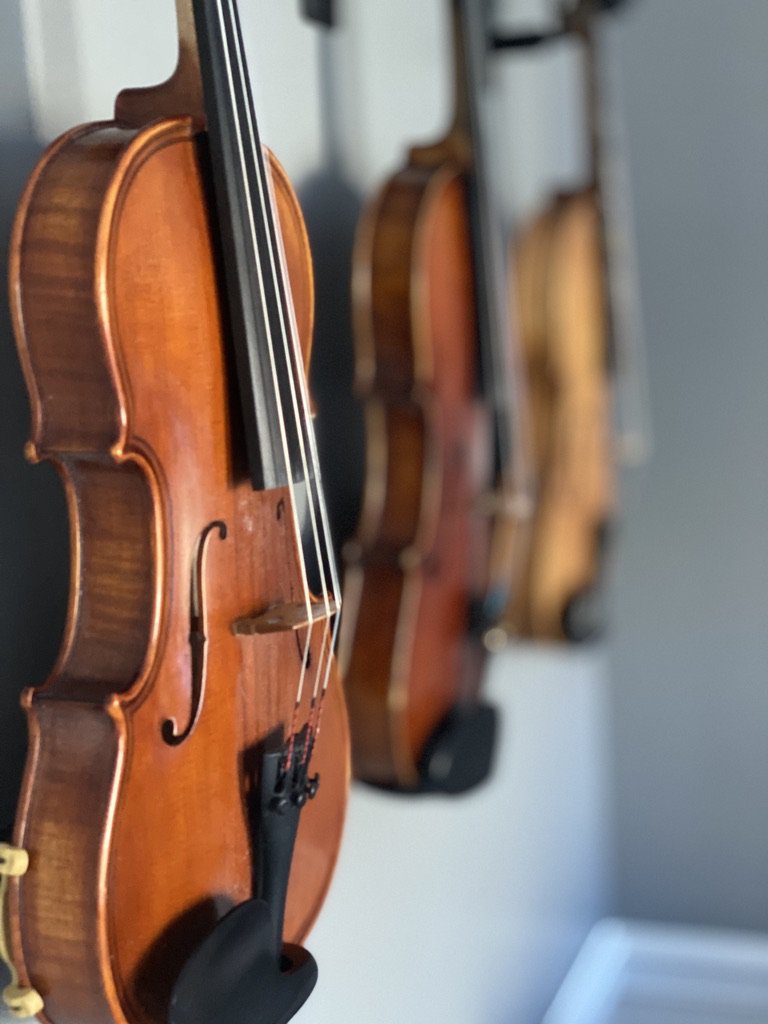
“What’s the difference between a violin and a fiddle?”
I get asked this more than you’d think. Almost always by non-musicians — usually someone who’s seen one of my videos online, or someone I’ve just met who found out I play. I get it. It’s an easy one to reach for.
My standard answers:
- “One you sleep to. The other you tap your foot to.”
- “A violin has strings. A fiddle has strangs.” (You have to say the second one with a Southern accent for it to land. Which — I’m in Tennessee, so it lands.)
Both get a laugh. Both are also true enough.
The real answer, if the person seems to actually want it: there isn’t much of a difference. It’s the same instrument. The word you use tends to follow the music. Classical → violin. Old-time, bluegrass, Celtic, country → fiddle. Same wood, same four strings, same tuning.
If the person is a musician or clearly wants a technical answer, I’ll add one thing: a lot of fiddlers set the bridge up a little flatter. A steeper, more pronounced bridge — the classical default — makes it easier to hit one string cleanly at a time. Flatten it a bit and double stops and fast bow shuffles get easier — the kind of thing you hear in Orange Blossom Special. It’s a small change and totally optional, but it’s the closest thing to a real physical difference between a “violin” and a “fiddle.”
Most of the time I don’t even get to the bridge part. The joke and a nod covers it, and honestly, that’s plenty. The people asking usually aren’t after a lecture — they just want a moment of connection over something they’ve been curious about. I try to leave them with a smile instead of a wall of terminology.
For the record:
- I was classically trained as a kid. That’s when I played the violin.
- I shifted to fiddle music after college and never looked back.
- My truck’s license plate reads FIDDLE. It wasn’t a hard decision.
So call it whichever one you want. In the end, it’s about the music.
← All posts